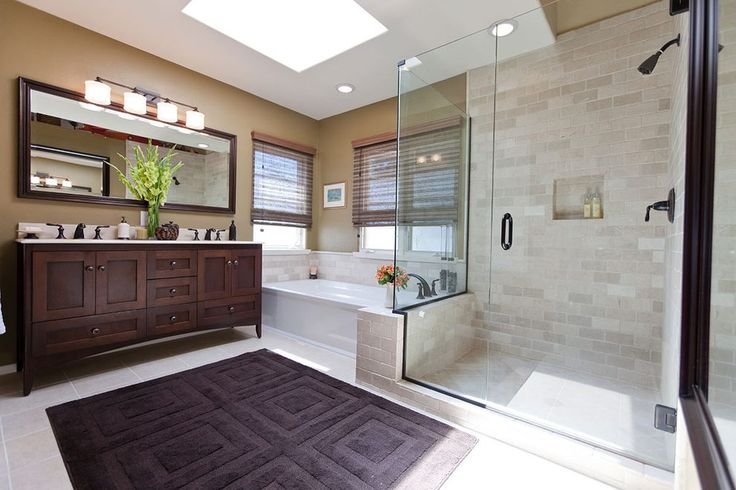
A bathroom remodel can improve the comfort, functionality, and appearance of your home while making better use of the available space. Whether you are updating an outdated bathroom, replacing worn fixtures, improving storage, or creating a completely new design, careful planning helps ensure the finished space meets your needs.
From bathroom remodeling and renovation to shower upgrades, flooring, vanities, lighting, and storage, every element should work together. Understanding the remodeling process can help homeowners make informed decisions about materials, layout, budget, and project priorities.
Key Takeaways
- Bathroom remodeling can improve functionality, comfort, and appearance.
- A successful remodel starts with a practical layout and clear project goals.
- Shower, bathtub, vanity, flooring, lighting, and storage upgrades can transform an outdated bathroom.
- Plumbing and electrical requirements should be considered before construction begins.
- Quality materials and proper installation can support long-term performance.
- A professional bathroom remodeling contractor can help coordinate design, construction, and finishing work.
What Is Bathroom Remodeling?
Bathroom remodeling involves improving, updating, or changing an existing bathroom. The project can range from simple cosmetic improvements to a complete renovation involving the layout, plumbing, electrical work, fixtures, flooring, walls, and other components.
Common bathroom remodeling projects include:
- Shower remodeling
- Bathtub replacement
- Vanity installation
- Bathroom flooring
- Tile installation
- Lighting upgrades
- Plumbing fixture replacement
- Storage improvements
- Accessibility upgrades
- Complete bathroom renovations
The scope depends on the property’s condition, the homeowner’s goals, and the desired design.
Why Remodel a Bathroom?
An outdated bathroom can affect more than the appearance of your home. Poor storage, inefficient layouts, aging fixtures, damaged surfaces, and inadequate lighting can make the room less practical.
A bathroom remodel can help:
- Improve everyday functionality
- Create additional storage
- Update outdated fixtures
- Improve lighting
- Modernize the design
- Address worn or damaged materials
- Improve the use of available space
- Make cleaning and maintenance easier
- Accommodate changing household needs
A remodel should focus on both appearance and practical improvements so the finished bathroom works better for everyday use.
Bathroom Remodeling Ideas
There are many ways to approach a bathroom renovation. The best improvements depend on the size of the room, existing layout, household needs, and available budget.
Shower Remodeling
A new shower can become one of the most noticeable improvements in a bathroom. Homeowners may consider updated wall surfaces, shower fixtures, glass doors, built-in shelving, seating, or improved drainage.
The shower layout should provide comfortable access while making practical use of the available space.
Vanity and Countertop Upgrades
Replacing an old vanity can provide additional storage while giving the bathroom a fresh appearance. Vanity size, countertop material, cabinet configuration, sink style, and hardware can all be selected according to the room’s design.
For smaller bathrooms, a properly sized vanity can provide storage without making the space feel crowded.
Bathroom Flooring
Bathroom flooring should be selected with moisture, durability, maintenance, and appearance in mind. Tile and other water-resistant flooring options are commonly considered for bathroom environments.
The flooring should also complement the shower, vanity, walls, and overall design.
Bathroom Lighting
Good lighting can make a bathroom more functional and comfortable. A remodeling project may include general lighting, vanity lighting, shower-area lighting, or other fixtures designed around the room’s layout.
Lighting placement is especially important around mirrors and grooming areas.
How Does a Bathroom Remodel Work?
A typical bathroom remodeling project follows several stages.
1. Determine Your Goals
Start by identifying what you want to change. Decide whether the project involves a cosmetic update or a more extensive renovation.
2. Evaluate the Existing Bathroom
The existing layout, plumbing, electrical system, flooring, walls, fixtures, and other components should be assessed before work begins.
3. Plan the Design
Choose the layout, fixtures, materials, colors, storage, lighting, and other design elements.
4. Establish the Project Scope
Determine which components will be repaired, replaced, relocated, or newly installed.
5. Complete Construction
Depending on the project, construction may include demolition, plumbing, electrical work, installation, flooring, tile work, painting, and finishing.
6. Inspect the Finished Bathroom
The completed work should be reviewed to ensure fixtures, surfaces, lighting, plumbing, and other components are functioning properly.
Small Bathroom Remodeling
A small bathroom does not necessarily require a major expansion to become more functional.
Smart remodeling choices can include:
- Space-efficient vanities
- Wall-mounted storage
- Recessed shelving
- Appropriate lighting
- Glass shower enclosures
- Compact fixtures
- Practical layouts
- Light-reflecting surfaces
The goal is to use available space efficiently without overcrowding the room.
Master Bathroom Remodeling
A larger primary or master bathroom provides more opportunities for customization. Homeowners may consider larger showers, double vanities, improved storage, upgraded flooring, freestanding tubs, enhanced lighting, or customized features.
The design should balance appearance with practical daily use. A beautiful bathroom still needs sufficient storage, comfortable access, appropriate lighting, and durable materials.
Bathroom Remodeling Materials
Choosing appropriate materials is an important part of any renovation.
Consider:
- Moisture resistance
- Durability
- Cleaning requirements
- Appearance
- Installation requirements
- Long-term maintenance
- Compatibility with existing surfaces
Materials should not be selected solely because they look attractive. Bathrooms experience regular moisture and frequent use, so performance matters just as much as design.
Bathroom Remodeling Cost
Bathroom remodeling costs can vary significantly depending on the project’s size and complexity. A simple update involving fixtures and finishes will generally have different requirements from a complete renovation involving plumbing relocation, electrical work, new flooring, custom cabinetry, and structural changes.
Factors that can affect the overall cost include:
- Bathroom size
- Project scope
- Material selection
- Fixture quality
- Plumbing changes
- Electrical work
- Flooring and tile
- Custom cabinetry
- Labor
- Demolition
- Permits where required
Before starting the project, homeowners should establish a clear scope and discuss potential changes that could affect the final cost.
How to Choose a Bathroom Remodeling Contractor
Choosing the right bathroom remodeling contractor can make the project easier to manage from planning through completion.
Consider a contractor who can:
- Explain the remodeling process clearly
- Provide a detailed project scope
- Discuss material options
- Coordinate different trades when needed
- Communicate about project progress
- Address plumbing and electrical requirements
- Complete finishing work properly
- Explain expected timelines and costs
Ask questions before work begins so you understand what is included in the project and how changes will be handled.
Bathroom Remodeling vs. Bathroom Renovation
The terms bathroom remodeling and bathroom renovation are often used interchangeably, but they can describe different project scopes.
A renovation may focus primarily on repairing or updating existing components, while remodeling can involve more substantial changes to the design, layout, fixtures, or functionality.
For example, replacing flooring and fixtures may be a relatively straightforward update. Moving a shower, changing plumbing locations, installing new electrical components, and redesigning the layout would generally represent a more extensive remodel.
When Should You Remodel Your Bathroom?
Consider remodeling when your bathroom has:
- Outdated fixtures
- Damaged flooring or surfaces
- Insufficient storage
- Poor lighting
- An inefficient layout
- Persistent functional problems
- Aging plumbing fixtures
- Accessibility challenges
- A design that no longer meets your needs
A remodel can also be worthwhile when you want to improve the overall functionality and comfort of your home.
Frequently Asked Questions About Bathroom Remodeling
How long does a bathroom remodel take?
The timeline depends on the size and complexity of the project. A cosmetic update may take considerably less time than a complete renovation involving demolition, plumbing, electrical work, tile, flooring, and custom installations.
How much does bathroom remodeling cost?
Bathroom remodeling costs vary based on the project’s scope, materials, fixtures, labor, plumbing, electrical work, and other requirements. A detailed project assessment provides a more useful estimate than a general price range.
What should I remodel first in my bathroom?
Start with the layout and major functional requirements. Plumbing locations, shower or tub placement, vanity size, storage, and electrical needs should generally be considered before selecting decorative finishes.
Is it better to remodel a bathroom all at once?
A complete remodel can provide a more cohesive result and may make it easier to coordinate related work. However, smaller projects can also be completed in phases when the homeowner’s goals or budget call for a gradual approach.
How do I choose the right bathroom remodeling contractor?
Look for a contractor with relevant remodeling experience, clear communication, a detailed project scope, and the ability to coordinate the work required for your specific bathroom. Ask about materials, timelines, costs, and what is included before starting.
Final Thoughts
A well-planned bathroom remodeling project can transform an outdated or inefficient space into a more comfortable and functional part of your home. From shower and vanity upgrades to flooring, lighting, storage, and complete renovations, the right improvements depend on your property’s needs and your long-term goals.
Planning the layout first, choosing durable materials, understanding the project scope, and working with a qualified bathroom remodeling contractor can help create a finished bathroom that looks good and performs well for years to come.