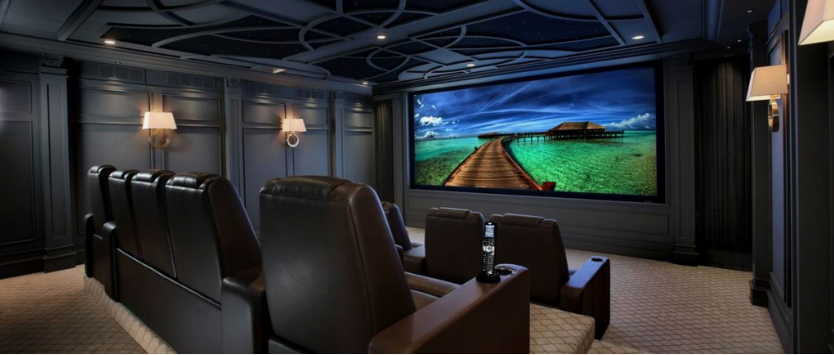
Home theater installation services help homeowners create a cinema-like experience inside their home with professional audio, video, lighting, and seating setup. A properly designed home theater system improves entertainment quality, increases home value, and provides a comfortable viewing environment for movies, sports, gaming, and streaming.
Many homeowners attempt DIY setups, but without correct speaker placement, wiring, screen positioning, and calibration, the experience often falls short. Professional home theater installation ensures your system performs at its highest level, delivers clear sound, sharp visuals, and smooth connectivity across all devices.
This guide explains home theater installation services, setup process, equipment options, and key factors homeowners should understand before building a home theater.
What is Home Theater Installation?
Home theater installation is the process of designing and setting up a complete home entertainment system. It includes installing a large display or projector, surround sound speakers, audio receiver, subwoofer, wiring, streaming devices, and optional smart automation.
In simple terms, home theater installation means turning a room into a high-quality entertainment space that feels like a real movie theater.
A professional home theater installation company ensures the system is properly wired, mounted, calibrated, and optimized for the room size and acoustics.
Why Home Theater Installation Services Matter
Home theater systems are not just about buying a big TV and speakers. The real performance depends on how everything is installed. Incorrect placement can cause echo, weak bass, unclear dialogue, and poor viewing angles.
Professional home theater installation services ensure:
- Better sound clarity and surround effect
- Correct screen height and viewing comfort
- Safe wall mounting and secure wiring
- Clean cable management for a modern look
- Proper system calibration for best performance
- Smart home integration for easy control
A well-installed system delivers immersive sound and picture quality without technical issues.
What is Included in Home Theater Installation Services?
Home theater installation services include multiple setup tasks depending on the package and room requirements.
Most home theater installation services include:
- TV mounting or projector installation
- Surround sound speaker installation
- Receiver and amplifier setup
- Subwoofer placement and tuning
- Cable routing and wire concealment
- HDMI, network, and power connections
- System testing and calibration
- Remote programming and smart control setup
Many home theater companies also offer acoustic treatment installation, custom seating layout planning, and lighting control systems.
Home Theater Installation Process (Step-by-Step)
A professional home theater installation follows a structured process to ensure everything works correctly and looks clean.
Step 1: Room Evaluation and Layout Planning
The installer evaluates the room size, wall space, lighting, and sound reflection. This step helps determine the best placement for the screen, speakers, and seating.
Room planning is essential because even expensive equipment can perform poorly if installed in the wrong layout.
Step 2: Equipment Selection and Compatibility Check
A home theater specialist checks your equipment compatibility, including:
- TV or projector resolution support
- Receiver channel capacity
- Speaker impedance matching
- HDMI and audio format support
- Streaming device connectivity
Step 3: Mounting the Display or Projector
For TV-based theaters, wall mounting is done using heavy-duty brackets. For projector systems, the projector is mounted to the ceiling and aligned with the screen.
Proper mounting ensures:
- Correct viewing height
- Safe structural support
- Clean appearance
- No screen tilt or misalignment
Step 4: Speaker Installation and Placement
Speaker placement is one of the most important parts of a home theater setup. Installers position speakers based on surround sound standards.
Typical placements include:
- Front left and right speakers near the screen
- Center speaker below or above the screen
- Surround speakers beside or behind seating
- Subwoofer placed for best bass response
- Ceiling speakers for Atmos effects
Correct placement creates balanced audio that feels immersive.
Step 5: Wiring and Cable Management
Professional installers route wiring through walls, ceilings, or conduit channels. They hide cables to avoid clutter and reduce trip hazards.
Common wiring tasks include:
- Speaker wire routing
- HDMI cable routing
- Ethernet connections for streaming
- Power outlet placement for equipment racks
Cable management is important for both appearance and long-term safety.
Step 6: Receiver Setup and Audio Configuration
The AV receiver is the control center of the system. Installers configure:
- Speaker channels
- Audio modes
- Input connections
- Surround format settings
- Volume balance and bass crossover
This ensures the system produces clear dialogue and powerful surround sound.
Step 7: Calibration and Final Testing
After installation, the system is calibrated using audio measurement tools or receiver calibration microphones.
Calibration adjusts:
- Speaker distances
- Volume levels
- Subwoofer output
- Room acoustics correction
- Screen brightness and color settings
Testing ensures everything works smoothly and delivers cinema-quality performance.
Home Theater System Types
Home theater systems vary depending on budget, room size, and desired experience.
TV-Based Home Theater System
This is the most common setup. It includes a large smart TV, surround sound speakers, and a receiver. TV-based systems are ideal for living rooms, family rooms, and smaller home theaters.
Projector Home Theater System
Projector systems provide a true theater feel with a large screen size. They are ideal for dedicated theater rooms or basements.
Projector setups often include:
- Ceiling-mounted projector
- Projector screen
- Surround sound system
- Controlled lighting
Soundbar Home Theater Setup
A soundbar system is a simplified option. It improves audio quality without multiple speakers. Many modern soundbars include subwoofers and surround speakers for better immersion.
This is best for homeowners who want better sound without full theater installation complexity.
Home Theater Speaker Setup Options
Speaker configuration determines how immersive your sound experience will be.
2.1 System
Includes two speakers and one subwoofer. This is a basic setup with improved bass and clearer sound than a TV speaker.
5.1 System
Includes five speakers and one subwoofer. It delivers full surround sound and is the most popular home theater setup.
7.1 System
Adds two extra speakers behind the seating for more detailed surround sound.
What Affects Home Theater Installation Cost?
Home theater installation cost varies depending on system size, room requirements, and equipment complexity. Pricing is influenced by:
- Room size and layout
- Type of display (TV vs projector)
- Number of speakers installed
- In-wall wiring requirements
- Wall reinforcement for TV mounting
- Smart home automation integration
- Acoustic treatment needs
- Equipment rack setup
More advanced systems require more labor, wiring, and calibration work.
Home Theater Installation vs DIY Setup
DIY home theater setup may seem cheaper, but it often results in poor performance and wiring issues.
Professional Installation Benefits
- Clean wiring and hidden cables
- Better sound performance
- Correct speaker placement
- Secure wall mounting
- Proper calibration and testing
- Faster setup and fewer mistakes
DIY Setup Risks
- Incorrect speaker placement
- Visible cables and messy appearance
- Improper receiver configuration
- Poor sound quality due to room acoustics
- Risk of damaging walls or equipment
If you want a clean and professional home theater setup, professional installation is the better long-term solution.
Best Rooms for Home Theater Installation
A home theater can be installed in multiple areas depending on your home layout.
The best room options include:
- Basement (best for sound control)
- Spare bedroom (easy to convert)
- Living room (most common setup)
- Bonus room or loft
- Garage conversion room
A dedicated room with controlled lighting provides the best theater experience.
Home Theater Installation Tips for Better Performance
If you want your system to perform at a high level, consider these key upgrades:
Improve Lighting Control
Install blackout curtains or dimmable lighting to reduce glare.
Add Acoustic Treatments
Sound panels, rugs, and thick curtains reduce echo and improve sound clarity.
Use a Dedicated Power Source
A surge protector or dedicated circuit protects expensive equipment.
Consider Smart Automation
Smart remotes and automation systems simplify control and improve user experience.
Plan Seating Placement
Seating should be positioned at the right distance from the screen for comfortable viewing.
Why Hire a Home Theater Installation Company?
A professional home theater installation company provides experience, tools, and technical knowledge that most homeowners do not have. They understand room acoustics, wiring safety, and calibration techniques.
Hiring a company ensures your system is installed correctly the first time, reducing future issues and maximizing performance.
A qualified home theater contractor can also recommend upgrades that improve sound and picture without overspending.
Common Problems Home Theater Installation Fixes
Home theater installation services often solve issues such as:
- Weak surround sound or unclear dialogue
- Subwoofer bass that feels uneven
- TV mounted too high or at wrong angle
- Echo and sound distortion
- Projector screen alignment problems
- HDMI signal dropouts
- Remote control setup issues
- Slow streaming due to poor Wi-Fi placement
A professional setup prevents these problems and improves overall performance.
FAQs
How long does home theater installation take?
Home theater installation usually takes 3 to 8 hours for a standard TV and surround sound setup. Larger installations with in-wall wiring, projector mounting, and speakers can take 1 to 2 days. The timeline depends on room size, wiring complexity, and equipment type.
Can a home theater be installed in a living room?
Yes, a home theater can be installed in a living room with the right layout and equipment. Many homeowners use a large TV, soundbar, or surround sound system. Adding wall-mounted speakers, hidden wiring, and lighting control can turn a standard living room into a high-quality entertainment space.
Do I need a projector for a home theater?
A projector is not required for a home theater. Many home theaters use large 4K TVs for excellent picture quality. Projectors are best for homeowners who want a large screen experience and have a dedicated room with controlled lighting. Both options can deliver cinema-quality results.
What is included in professional home theater installation?
Professional home theater installation typically includes mounting the TV or projector, setting up speakers, configuring the AV receiver, running and hiding wiring, connecting streaming devices, and calibrating the audio and video settings. Some services also include smart remote programming and system testing for performance.
How do I hide wires in a home theater setup?
Wires can be hidden using in-wall wiring, cable raceways, baseboard channels, or conduit systems. Professional installers often route cables behind drywall for a clean and modern appearance. Proper cable management improves safety, reduces clutter, and gives the home theater a high-end look.
Conclusion
Home theater installation services help homeowners build a complete entertainment setup with professional sound, high-quality visuals, and clean wiring. From TV-based systems to projector setups and surround sound, professional installation ensures the system is optimized for room acoustics and delivers the best performance.
A properly installed home theater provides better viewing comfort, stronger audio clarity, and a true cinema experience at home. With the right setup and expert installation, homeowners can enjoy movies, sports, and gaming with immersive quality for years.